
By: Natalie Bombino
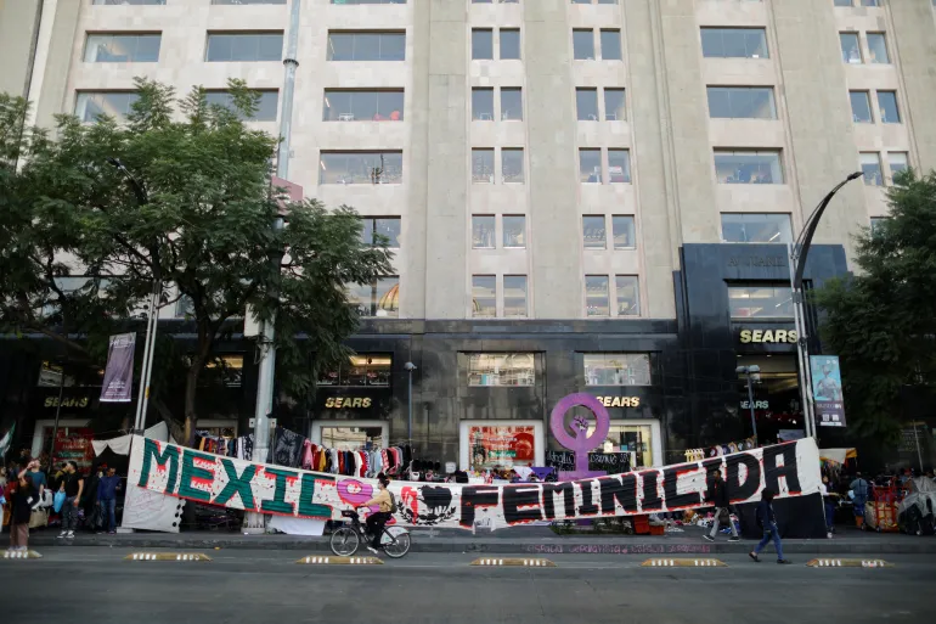
As femicide continues to rise across the Inter-American region, gaps between the states’ formal human rights commitments and actual enforcement have become incredibly pronounced. In response, the Inter-American Court of Human Rights recently intervened to address systemic investigative failures and state inaction in the context of gender-based violence. On December 19, 2025, the Inter-American Court of Human Rights declared Mexico internationally responsible for multiple violations of human rights in the case of García Andrade et al. v. Mexico regarding the disappearance, torture, and femicide of Lilia Alejandra García Andrade.
Lilia Alejandra, a 17-year-old mother of two, worked at an assembly plant in Ciudad Juárez. On February 14, 2001, she went to work but never returned home. Her mother, Norma Andrade, went to the police to report her daughter missing but the complaint was not handled with diligence. The body of Lilia Alejandra was later found at a vacant lot. The cause of death was determined to be manual strangulation following sexual abuse. Despite DNA evidence linking the crime to individuals connected to other femicides, substantive progress in investigation and prosecution remained elusive. These procedural shortcomings, along with the threats and assassination attempts against Norma Andrade that followed, revealed the state’s failure not only to investigate but also to protect those seeking justice for victims.
Due to the State’s inadequate investigation, the Inter-American court found that the State of Mexico failed to comply with the duty of due diligence in cases of disappearances of women, thus it was liable for the violation of the rights to life, integrity, and personal liberty of Lialia Alejandra García Andrade under Article 4, 5, and 7 of the American Convention of Belém do Pará. The court also found the State the lacked adequate institutional structure and regulatory mechanisms to address the context of violence against women, which ultimately contributed to the femicide of Lilia Alejandra.
The García Andrade ruling reinforces the Inter-American human rights system’s role in shaping normative standards for investigating gender violence. The ruling reaffirmed that passive or delayed state responses may violate international obligations. More broadly, this ruling underscores the importance of state obligations to protect vulnerable groups where patterns of discrimination persist.


