
By: Grant deBoer
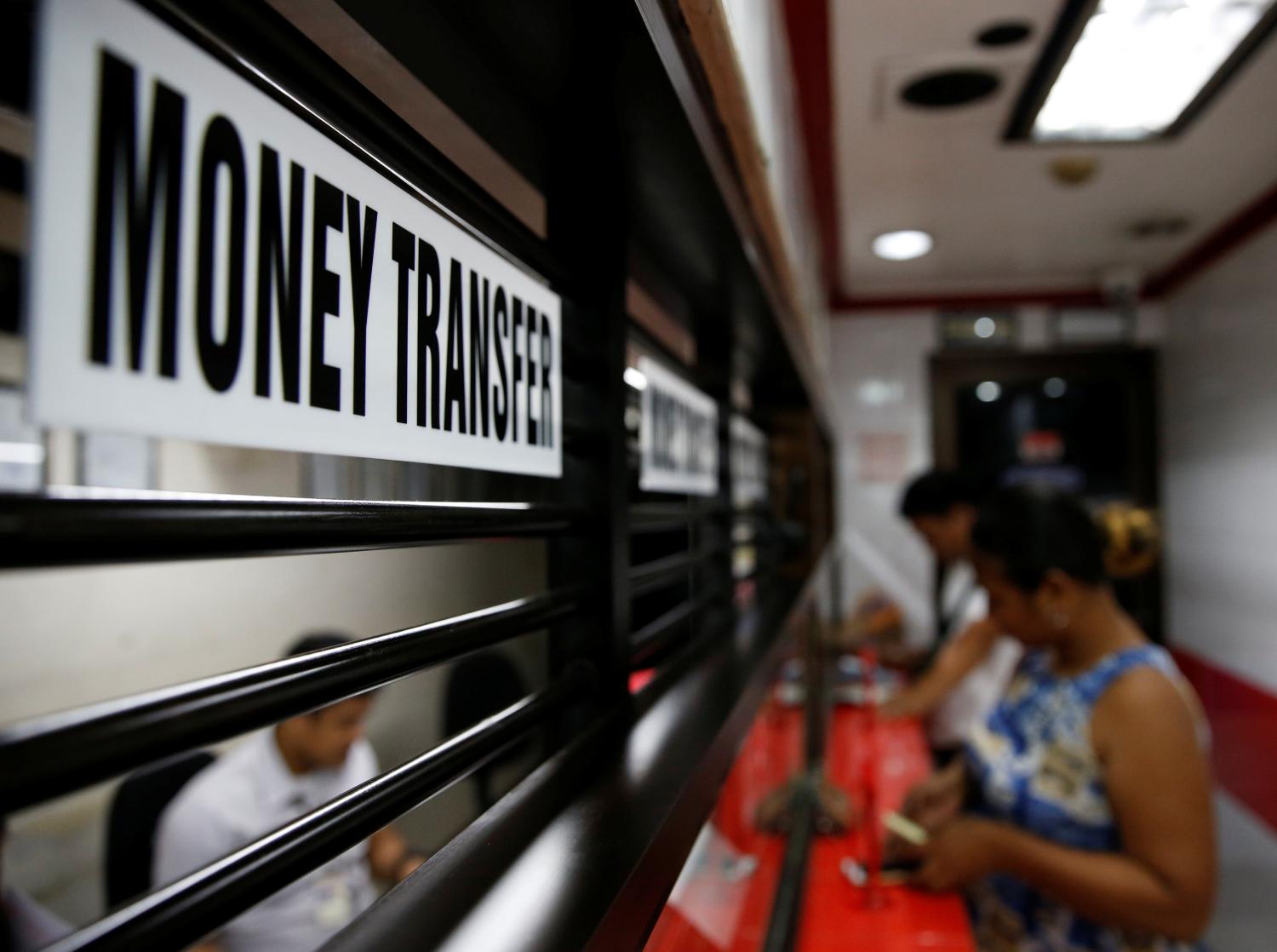
Passed as part of the “One Big Beautiful Bill Act,” signed in July 2025 and having taken effect on January 1, 2026, 26 USC §4475 grants the federal government the power to impose a 1% excise tax on certain remittances sent abroad from the United States. Initially proposed at rates as high as 5%, the remittance tax was reduced after domestic and international pushback. Unlike earlier proposals that targeted only non-U.S. citizens, the final version applies broadly to all senders and focuses primarily on cash-based or physical transfers, while exempting most bank- and card-based digital services.
According to the Inter-American Development Bank, an estimated $161 billion in 2024 was sent back to Latin America and the Caribbean by migrants working in the United States. These remittances play a major role in the region’s economies, particularly in smaller countries, such as Honduras, Nicaragua, and El Salvador, where such transfers make up over 20% of each country’s GDP.
The concept of a remittance tax is not new. The State of Oklahoma implemented a similar measure in 2009 through the Drug Money Laundering and Wire Transmitter Act (63 O.S. § 2-503.1a et seq.), which imposes a fee on certain wire transfers. In fiscal year 2025 alone, Oklahoma generated $13.1 million in revenue from this “Wire Transmitter Fee.”
Supporters argue that the remittance tax not only generates revenue without affecting most American citizens, but also curbs illicit activity, such as drug trafficking and money laundering. Critics argue that the remittance tax harms migrants and their families because such remittances are often used to fund basic needs such as food, shelter, and healthcare. In 2023 alone, global remittance flows reached around $656 billion, far exceeding private aid.
While a 1% tax may seem insignificant, its consequences are far from trivial. Estimates suggest that each one-percentage-point increase in remittance taxes leads to an approximate 1.6% decline in remittance flows. On the receiving end, even modest declines in remittance inflows can result in billions of dollars in lost funds. For example, Mexico, the largest recipient of remittances sent from the United States to Latin America at 40.5% ($62.5 billion), could experience an annual reduction of more than $1.5 billion in remittance inflows as a result of the remittance tax. For smaller economies such as Honduras, Nicaragua, and Guatemala, where remittances account for more than 20% of national GDP, the effects could be even more severe.
Additionally, the remittance tax could incentivize migrants to bypass formal channels and move funds into informal systems, such as cryptocurrency, thereby creating new compliance and regulatory challenges. At the same time, slower remittance growth could reverberate through the U.S. economy, as migrant labor and consumption have contributed meaningfully to domestic economic growth in recent years.
Overall, the effects of remittance tax may extend well beyond a 1% fee, reshaping not only the financial relationship between migrants and their families but also the economic status quo of Latin America.


